|
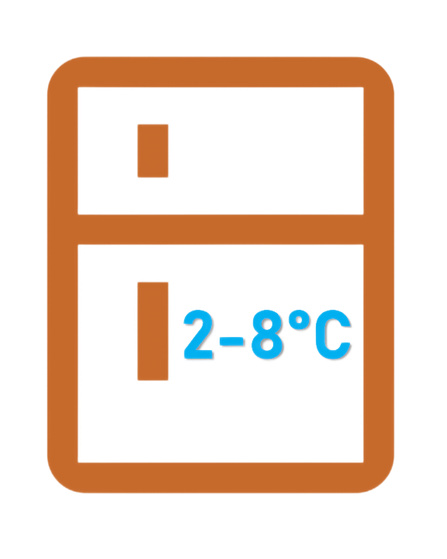
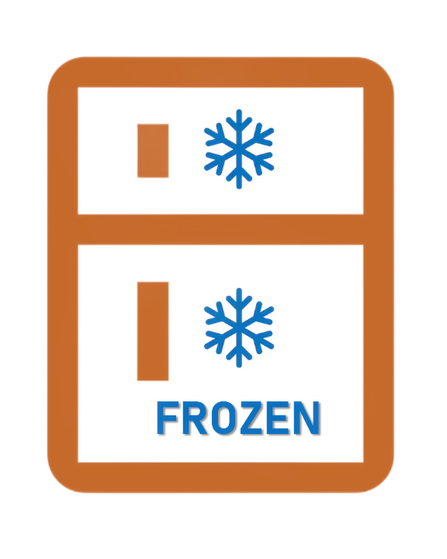
**Overview**: Newborn Screening 3 Panel**Introduction**: The Newborn Screening 3 Panel is a diagnostic tool designed to screen for newborn metabolic disorders using whole blood samples. In India, adding 17-OHP (for congenital adrenal hyperplasia, CAH) to TSH and G6PD addresses salt-wasting CAH (prevalence ~1 in 5,000â€"10,000), preventing life-threatening adrenal crisis in neonates. High morbidity from under-screening in rural/low-SES deliveries, limited NBS infrastructure, delayed hydrocortisone/fludrocortisone leading to shock, death, or ambiguous genitalia complications. Per pediatrics practices aligned with ICMR, NHM, and RBSK guidelines, the test employs PCR for G6PD deficiency, TSH, and 17-OHP over 1-2 days with high accuracy, valuable as expanded NBS in resource-limited settings. This diagnostic falls under newborn screening and targets all newborns, addressing accurate detection to guide early hormone replacement and salt supplementation. With elevated morbidity due to under-screening, the test supports public health efforts by enabling timely intervention and reducing neonatal mortality. Its whole blood-based approach ensures reliable multi-disorder detection.**Other Names**: NBS 3 Pnl.**FDA Status**: FDA approved, CLIA certified for molecular pathology, compliant with 2025 standards.**Historical Milestone**: TSH + 17-OHP + G6PD expanded NBS in India pilot programs.**Purpose**: The test assesses 3 parameters including G6PD deficiency to guide newborn metabolic screening, detect CH/CAH/G6PD, inform therapy.**Test Parameters**: 1. G6PD Deficiency, 2. TSH, 3. 17-OHP.**Pretest Condition**: No fasting required; newborns 48-72 hours old preferred.**Specimen**: 3 mL whole blood in 1 EDTA tube (heel prick preferred), transported within specified times to maintain sample viability.**Sample Stability at Room Temperature**: 48 hours with proper handling to preserve DNA/hormone integrity, ensuring reliable test performance.**Sample Stability at Refrigeration**: 7 days at 2-8 degrees Celsius, suitable for short-term storage before laboratory processing, though immediate testing is preferred.**Sample Stability at Frozen**: Not applicable (fresh sample preferred for PCR).**Medical History**: Parents should provide details on family history of jaundice, ambiguous genitalia.**Consent**: Written parental informed consent is required, detailing the test's purpose, potential risks of untreated disorders including crisis/death, benefits of screening, and minimal discomfort from heel prick.**Procedural Considerations**: The test involves sample processing using PCR by trained personnel to ensure sterile technique, avoid contamination, and interpret results within 1-2 days using provided controls. Laboratories must maintain a controlled environment, adhere to quality assurance protocols.**Factors Affecting Result Accuracy**: Delays beyond stability periods, improper storage conditions, or prematurity can affect results. Correlation with clinical evaluation or additional testing is recommended to confirm findings.**Clinical Significance**: Abnormal TSH/17-OHP indicates CH/CAH; G6PD deficiency flags risk, necessitating specialist input.**Specialist Consultation**: Pediatric endocrinologists/neonatologists should be consulted for management.**Additional Supporting Tests**: Serum electrolytes, 17-OHP confirmation for CAH.**Test Limitations**: Basic panel only; comprehensive approach required.**References**: Indian Journal of Pediatrics 2024, NBS Studies India 2023. |