Overview: 11-Deoxycortisol TestIntroduction: The 11-Deoxycortisol Test checks how well your adrenal glands produce hormones to diagnose Congenital Adrenal Hyperplasia (CAH), a condition that can affect growth, puberty, or hormone balance, causing issues like fatigue or irregular periods. Affecting approximately 1 in 10,000 to 1 in 15,000 newborns worldwide, CAH is a group of inherited disorders with varying severity, often presenting in infancy or childhood, and is more prevalent in certain ethnic groups like Ashkenazi Jews or Yupik Eskimos. Aligned with 2023 Endocrine Society guidelines, it uses liquid chromatography-mass spectrometry (LC-MS/MS) for high specificity, supporting adrenal issue screening. This test is critical for guiding diagnosis, treatment planning, and improving outcomes in endocrinology, especially in regions where genetic screening is limited, posing diagnostic challenges due to overlapping symptoms with Addison's disease, polycystic ovary syndrome, or Cushing's syndrome.
Other Names: 11-DC Assay, Compound S Test.
FDA Status: Laboratory-developed test (LDT), meeting endocrinology standards for diagnostic accuracy.
Historical Milestone: 11-Deoxycortisol testing began in the 1960s with adrenal disorder research led by Lawson Wilkins, who advanced understanding of CAH through hormone profiling techniques. The introduction of LC-MS/MS in the 2000s by researchers like Michael Holick revolutionized precision, allowing detection of subtle hormone imbalances, a significant leap from earlier radioimmunoassay methods that lacked sensitivity for neonatal screening and often missed mild cases.
Purpose: Measures 11-deoxycortisol levels to diagnose CAH, guides hormone replacement therapy with glucocorticoids or mineralocorticoids, and evaluates patients with fatigue, irregular periods, or ambiguous genitalia, helping prevent life-threatening adrenal crises, particularly in salt-wasting forms of the disease that can lead to shock if untreated.
Test Parameters: 11-Deoxycortisol levels
Pretest Condition: Fasting preferred for 8-12 hours to minimize dietary interference and stabilize hormone levels. Collect serum or plasma. Report history of fatigue, irregular periods, adrenal symptoms, or family history of endocrine disorders.
Specimen: Serum (SST, 2-5 mL), Plasma (EDTA, 2-4 mL); 2 mL serum in SST. Transport in a biohazard container to prevent degradation.
Sample Stability at Room Temperature: 2 hours
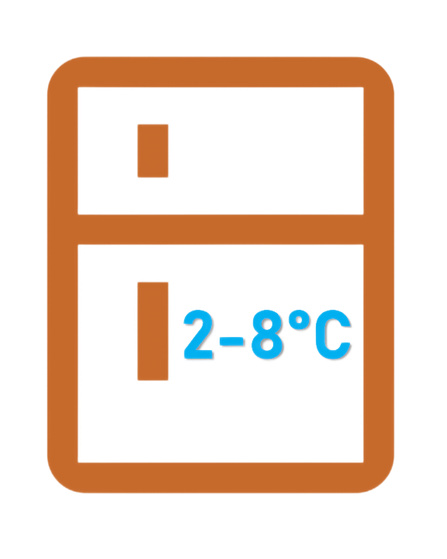
Sample Stability at Refrigeration: 24 hours
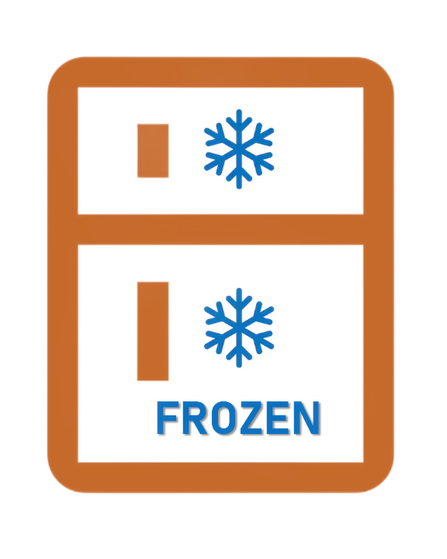
Sample Stability at Frozen: 1 month
Medical History: Document fatigue, irregular periods, or history of adrenal issues. Include current medications, especially corticosteroids, and any recent stress, illness, or surgical procedures that might affect adrenal function.
Consent: Written consent required, detailing the test's purpose, CAH implications (e.g., salt-wasting crises, gender ambiguity), and risks of sample collection, ensuring patients understand potential genetic counseling needs and long-term monitoring requirements.
Procedural Considerations: Uses LC-MS/MS to measure 11-deoxycortisol levels, requiring specialized laboratories with calibrated equipment like Agilent 6495 triple quadrupole systems and trained technicians. Results are available in 1-2 days, supporting clinical decisions. Performed in laboratories, often for CAH or adrenal insufficiency diagnosis, with strict protocols to avoid contamination or hemolysis, which can invalidate results and delay treatment.
Factors Affecting Result Accuracy: Improper fasting, sample hemolysis, or exposure to heat can affect results. Stress, medications like prednisone, or recent surgery may elevate levels, necessitating repeat testing or ACTH stimulation to clarify findings and ensure accurate diagnosis.
Clinical Significance: Elevated 11-deoxycortisol confirms CAH, guiding glucocorticoid or mineralocorticoid therapy to normalize hormone levels. For example, a child with salt-wasting CAH might avoid adrenal crises with early hydrocortisone treatment, while adults with non-classic CAH might manage fertility issues or hirsutism. Normal levels may require ACTH stimulation testing to rule out milder forms, impacting long-term growth, puberty, and reproductive health.
Specialist Consultation: Consult an endocrinologist for result interpretation and treatment planning, especially for pediatric or pregnant patients, where dosage adjustments and prenatal care are critical to prevent complications.
Additional Supporting Tests: ACTH stimulation test, 17-hydroxyprogesterone, or genetic testing (e.g., CYP21A2 mutations) to confirm CAH diagnosis and subtype, aiding in personalized therapy and family screening.
Test Limitations: Non-specific for CAH subtype; clinical correlation with symptoms and family history is needed. Sample quality affects sensitivity, and false negatives may occur in early infancy without ACTH challenge, requiring follow-up testing.
References: Endocrine Society Guidelines, 2023; Journal of Clinical Endocrinology, Speiser PW, 2022.