Overview: 17-OHP Congenital Adrenal Hyperplasia Newborn Screen TestIntroduction: The 17-OHP Congenital Adrenal Hyperplasia Newborn Screen Test measures 17-hydroxyprogesterone in newborns to detect congenital adrenal hyperplasia (CAH), a genetic disorder causing hormone deficiencies that can lead to dehydration or growth problems. Aligned with 2023 American Academy of Pediatrics guidelines, it uses an immunoassay for high sensitivity, enabling early detection of CAH. This test is critical for initiating hormone replacement, preventing adrenal crises, and ensuring healthy development in pediatric endocrinology.
Other Names: 17-OHP NBS Assay, Newborn CAH Screening Test.
FDA Status: Laboratory-developed test (LDT), adhering to newborn screening standards.
Historical Milestone: CAH screening began in the 1970s with 17-OHP measurement. Improved immunoassays in the 1990s and universal screening adoption by the 2000s enhanced its global use.
Purpose: Screens newborns for CAH, guiding early hormone therapy and preventing life-threatening complications.
Test Parameters: 1. 17-Hydroxyprogesterone
Pretest Condition: No fasting required. Collect dried blood spots 24-48 hours after birth. Report preterm birth, low birth weight, or family history of CAH.
Specimen: 3-5 dried blood spots on a DBS card. Transport in a biohazard envelope within 24 hours at room temperature to preserve hormone stability.
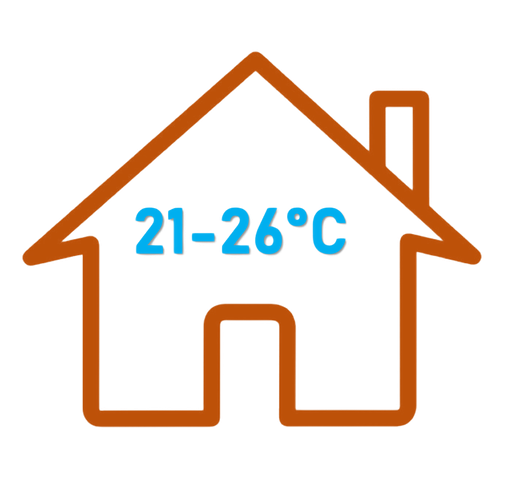
Sample Stability at Room Temperature: 7 days
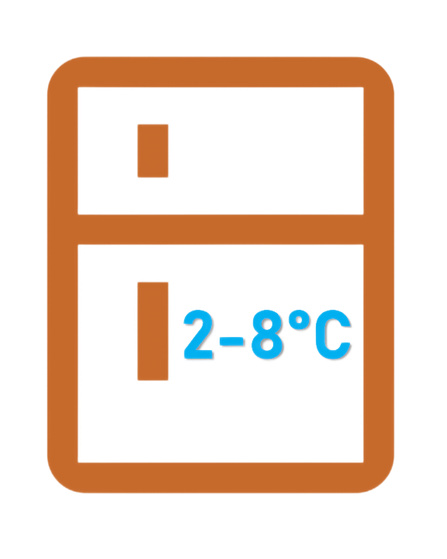
Sample Stability at Refrigeration: 1 month
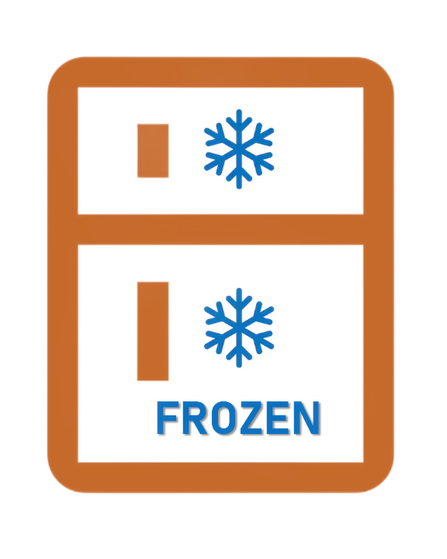
Sample Stability at Frozen: 6 months
Medical History: Document preterm birth, low birth weight, or family history of CAH or endocrine disorders. Include parental carrier status if known.
Consent: Parental consent is required, explaining the test's purpose, CAH implications, and potential hormone therapy needs.
Procedural Considerations: Uses a fluoroimmunoassay to measure 17-hydroxyprogesterone. Results are delivered in 1-2 days, enabling rapid intervention.
Factors Affecting Result Accuracy: Prematurity or stress may elevate 17-OHP levels, causing false positives. Contaminated or improperly dried blood spots can skew results.
Clinical Significance: Elevated 17-OHP suggests CAH, requiring confirmatory testing and therapy. Normal levels typically rule out severe CAH but may miss mild forms.
Specialist Consultation: Consult a pediatric endocrinologist for result interpretation. Genetic counseling is advised for confirmed CAH cases.
Additional Supporting Tests: Serum 17-OHP, ACTH, or CYP21A2 gene testing to confirm CAH diagnosis.
Test Limitations: False positives are common in preterm infants. Mild CAH may require follow-up testing for detection.
References: AAP Newborn Screening Guidelines, 2023; Speiser PW, Pediatrics, 2022.