Overview: Allergy Egg Yolk TestIntroduction: The Allergy Egg Yolk Test detects IgE antibodies to egg yolk, which may cause hives, swelling, or digestive issues after consumption. Following 2023 AAAAI guidelines, it uses an immunoassay for high sensitivity, aiding in confirming food allergies. This test is critical for guiding dietary avoidance and improving outcomes in allergology.
Other Names: Allergy Egg Yolk Assay, Egg Yolk IgE Test.
FDA Status: Laboratory-developed test (LDT) meeting allergology standards for diagnostic accuracy.
Historical Milestone: Food allergy testing began in the 1970s with skin tests. Specific IgE immunoassays emerged in the 1980s, and by the 2000s, component-resolved diagnostics improved specificity for egg allergens like livetin.
Purpose: Diagnoses egg yolk allergies, guides dietary management, and monitors allergic responses in patients with symptoms like hives, swelling, or digestive issues.
Test Parameters: 1. Egg Yolk IgE
Pretest Condition: No fasting required. Collect serum or saliva at any time, ideally after recent egg consumption or symptom onset. Report symptoms like hives, swelling, or digestive issues, and list medications like antihistamines.
Specimen: 2-5 mL serum (SST) or 1-2 mL saliva (sterile container). Centrifuge serum within 1 hour. Transport in a biohazard bag within 8 hours.
Sample Stability at Room Temperature: 8 hours
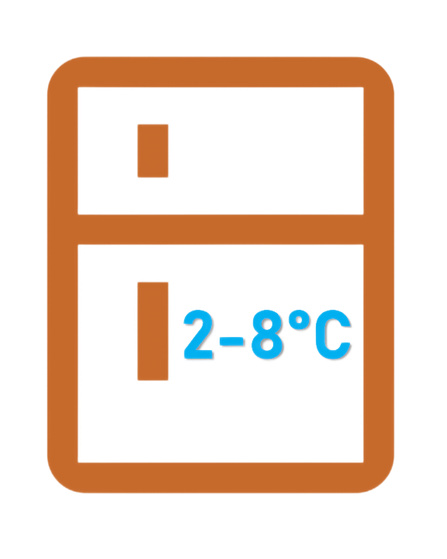
Sample Stability at Refrigeration: 7 days
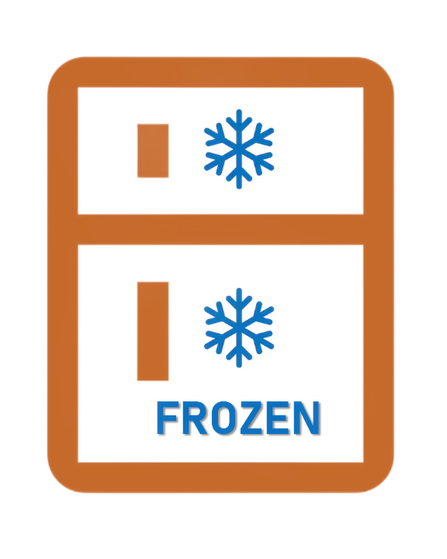
Sample Stability at Frozen: 6 months
Medical History: Document allergic symptoms, egg consumption history, or family history of food allergies. Include current medications, especially antihistamines or epinephrine.
Consent: Written consent required, detailing the tests purpose, diagnostic implications, and potential need for dietary changes or emergency measures.
Procedural Considerations: Uses an immunoassay to measure egg yolk-specific IgE. Results are available in 1-2 days, enabling rapid clinical decisions.
Factors Affecting Result Accuracy: Antihistamines may suppress IgE levels, causing false negatives. Hemolysis or improper storage can degrade samples. Cross-reactivity with other egg components may affect specificity.
Clinical Significance: Elevated egg yolk-specific IgE confirms allergy, prompting avoidance or epinephrine prescription. Normal levels may require an oral food challenge for confirmation.
Specialist Consultation: Consult an allergist for result interpretation. A dietitian referral is advised for dietary management.
Additional Supporting Tests: Skin prick test, oral food challenge, or egg component panel to confirm egg yolk allergy or identify cross-reactive allergens.
Test Limitations: False negatives may occur with antihistamine use or low egg exposure. Cross-reactivity with other eggs requires clinical correlation.
References: AAAAI Food Allergy Guidelines, 2023; Journal of Allergy and Clinical Immunology, Sicherer SH, 2022.