Overview: BRAF Mutation TestIntroduction: The BRAF Mutation Test detects BRAF gene mutations linked to cancers like melanoma, causing skin changes or lumps. Following 2023 NCCN guidelines, it uses PCR for high specificity, aiding in cancer screening. This test is critical for guiding diagnosis, targeted therapy, and improving outcomes in molecular pathology for patients with suspected cancers.
Other Names: BRAF Gene Assay, Melanoma Mutation Test.
FDA Status: Laboratory-developed test (LDT), meeting molecular pathology standards for diagnostic accuracy.
Historical Milestone: BRAF mutation testing began in the 2000s with melanoma research. PCR-based assays emerged in the 2010s, and targeted therapies like vemurafenib improved outcomes.
Purpose: Diagnoses BRAF-mutated cancers, guides targeted therapy, and monitors disease in patients with skin changes or lumps.
Test Parameters: 1. BRAF Mutation
Pretest Condition: No fasting required. Collect whole blood, tissue, buccal swab, or saliva at any time. Report symptoms like skin changes or cancer history.
Specimen: 2-5 mL whole blood (EDTA), 0.5-2 cma³ tissue (sterile container), 1-2 buccal swabs (sterile swab), or 1-2 mL saliva (sterile container). Transport in a biohazard bag within 24 hours.
Sample Stability at Room Temperature: 24 hours
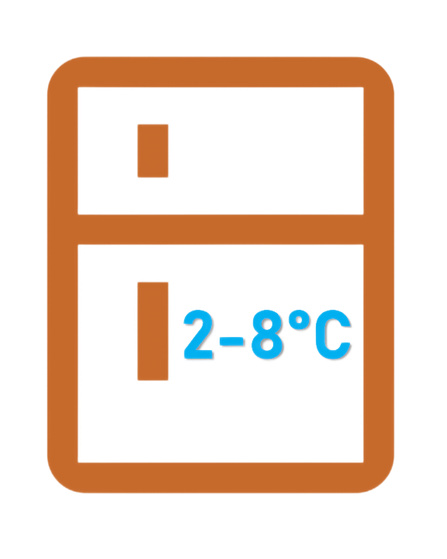
Sample Stability at Refrigeration: 48 hours
Sample Stability at Frozen: Not frozen
Medical History: Document skin changes, lumps, or family history of melanoma or other cancers. Include current medications, especially targeted therapies.
Consent: Written consent required, detailing the tests purpose, implications for cancer treatment, and potential need for targeted therapy.
Procedural Considerations: Uses PCR to detect BRAF mutations. Results are available in 3-5 days, supporting clinical decisions.
Factors Affecting Result Accuracy: Low tumor content or improper storage can reduce sensitivity. Contamination may cause false positives.
Clinical Significance: Positive BRAF mutations confirm eligibility for targeted therapies like vemurafenib. Negative results suggest alternative cancer pathways.
Specialist Consultation: Consult an oncologist for result interpretation. A dermatologist referral is advised for melanoma cases.
Additional Supporting Tests: Tumor biopsy, NGS panel, or PET scan to confirm cancer or assess disease extent.
Test Limitations: False negatives may occur with low mutation levels. Results require clinical correlation with pathology.
References: NCCN Melanoma Guidelines, 2023; Journal of Clinical Oncology, Chapman PB, 2022.