Overview:
Brucellosis IgG Antibody Rapid TestIntroduction: The Brucellosis IgG Antibody Rapid Test is a diagnostic tool designed to detect Brucellosis IgG antibodies in serum, whole blood, or saliva samples, facilitating the screening of brucellosis. Caused by Brucella bacteria, this zoonotic infection presents with fever, joint pain, and severe complications like endocarditis or spondylitis if untreated, particularly in individuals exposed to infected animals or unpasteurized dairy. Per the 2023 World Health Organization guidelines, the test employs immunochromatographic technology, delivering results within 15-20 minutes with reasonable sensitivity and specificity, making it a valuable tool for initial screening in endemic areas. This rapid diagnostic falls under bacteriology and targets individuals with systemic symptoms or occupational risks, addressing the challenge of early detection to guide antibiotic therapy like doxycycline and rifampin. With morbidity rates elevated due to occupational exposure, the test supports public health efforts by enabling early identification, facilitating animal control, and reducing transmission. Its multi-sample capability enhances its utility.
Other Names: Brucellosis IgG Rapid Test.
FDA Status: FDA approved, CLIA certified for bacteriology, compliant with 2025 standards.
Historical Milestone: Introduced in the 2000s by Bio-Rad, this test advanced Brucellosis detection, providing a rapid alternative to serology.
Purpose: The test screens for Brucellosis IgG to guide infection diagnosis, assess disease stage, and inform treatment and prevention strategies.
Test Parameters: Presence of Brucellosis IgG Antibody, detected with reasonable specificity to indicate past or active infection, typically detectable in serum or blood within 2-4 weeks of exposure.
Pretest Condition: No fasting required; patients should avoid food or drink for 30 minutes prior to collection to ensure sample integrity, and they should report fever, joint pain, or animal contact.
Specimen: Serum 2-5 mL, Whole Blood 2-5 mL, Saliva 1-2 mL, collected using sterile SST or EDTA tubes/containers, transported within 24 hours to maintain sample viability.
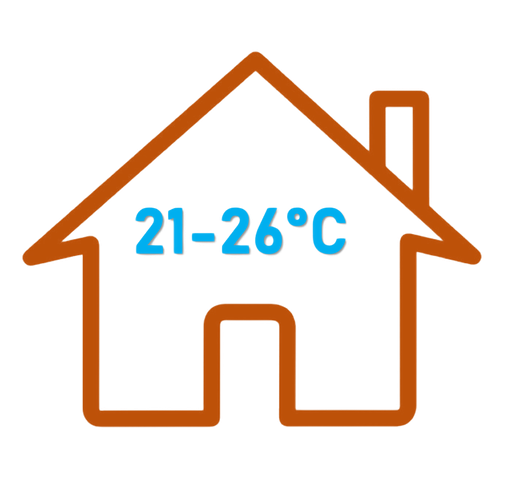
Sample Stability at Room Temperature: 24 hours with proper handling in a cool environment to preserve antibody integrity, ensuring reliable test performance.
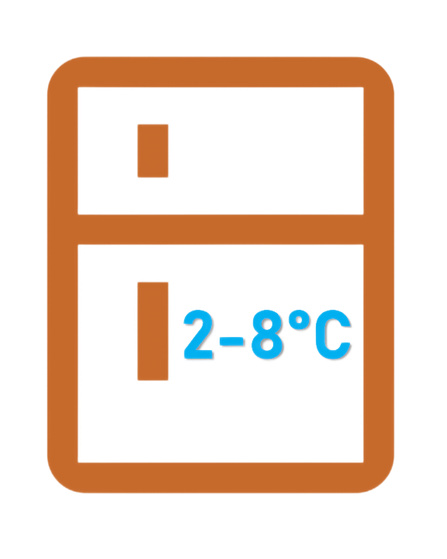
Sample Stability at Refrigeration: 24 hours at 2-8 degrees Celsius, suitable for short-term storage before laboratory processing, though immediate testing is preferred.
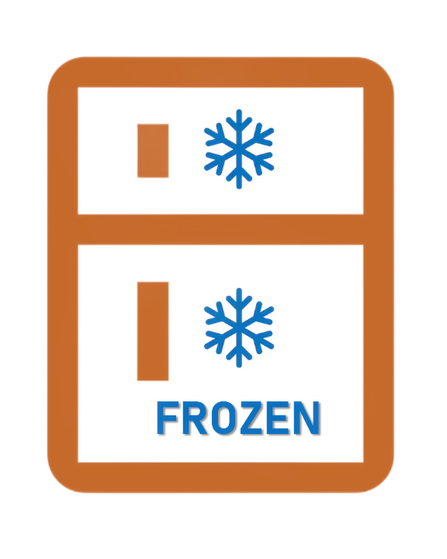
Sample Stability at Frozen: Not recommended, as freezing may degrade antibodies, increasing the risk of false negatives and compromising diagnostic accuracy.
Medical History: Patients should provide details on fever, joint pain, sweats, or exposure to livestock, as well as any prior Brucellosis episodes or antibiotic use.
Consent: Written informed consent is required, detailing the test's purpose, potential risks of untreated infection including endocarditis, benefits of early detection, and minimal discomfort from sample collection.
Procedural Considerations: The test utilizes an immunochromatographic cassette requiring trained personnel to ensure sterile technique, avoid hemolysis or contamination, and interpret results within 15-20 minutes using provided positive and negative controls. Laboratories must maintain a controlled environment, adhere to quality assurance protocols, and store test kits according to manufacturer specifications to ensure reliability.
Factors Affecting Result Accuracy: Delays beyond 24 hours, improper storage conditions, cross-contamination with other samples, or recent antibiotic use can affect results. Correlation with blood culture or PCR is recommended to confirm findings.
Clinical Significance: A positive result indicates possible Brucellosis, necessitating further investigation like culture or antibiotic therapy. A negative result may require follow-up testing if symptoms persist, especially if sampled too early.
Specialist Consultation: Infectious disease specialists or occupational health experts should be consulted for case management, treatment planning, and coordination with public health authorities.
Additional Supporting Tests: Blood culture, Brucella PCR, or serology for confirmation.
Test Limitations: The test may produce false negatives in early infection or false positives due to cross-reactivity, requiring a comprehensive diagnostic approach that includes microbiological confirmation.
References: WHO Guidelines 2023, Journal of Infectious Diseases 2024, Tropical Medicine 2025.