Overview: Cholera Culture TestIntroduction: The Cholera Culture Test detects Vibrio cholerae, causing cholera with severe diarrhea or dehydration. Aligned with 2023 IDSA guidelines, it uses culture techniques for high specificity, aiding in infectious disease screening. This test is critical for guiding diagnosis, treatment, and improving outcomes in bacteriology for patients with suspected cholera, particularly in areas with poor sanitation.
Other Names: Vibrio Cholerae Culture, Cholera Stool Test.
FDA Status: Laboratory-developed test (LDT), meeting bacteriology standards for diagnostic accuracy.
Historical Milestone: Cholera culture testing began in the 1880s with Robert Koch's identification of Vibrio cholerae. Selective media cultures emerged in the 1970s, and by the 2000s, standardized methods improved accuracy.
Purpose: Diagnoses cholera, guides antibiotic and rehydration therapy, and monitors bacterial presence in patients with severe diarrhea or dehydration.
Test Parameters: 1. Vibrio Cholerae
Pretest Condition: No fasting required. Collect stool at any time. Report symptoms like severe diarrhea or dehydration, and list recent travel or water exposure.
Specimen: 5-10 g stool (sterile container). Transport in a biohazard bag within 2 hours.
Sample Stability at Room Temperature: 2 hours
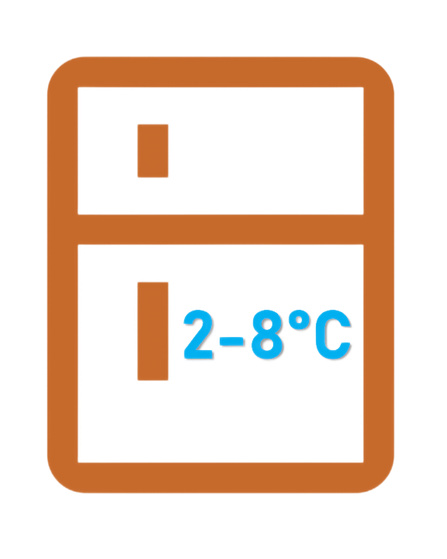
Sample Stability at Refrigeration: 24 hours
Sample Stability at Frozen: Not frozen
Medical History: Document severe diarrhea, dehydration, or recent travel to cholera-endemic areas. Include current medications, especially antibiotics or antidiarrheals.
Consent: Written consent required, detailing the tests purpose, diagnostic implications, and potential need for antibiotic or rehydration therapy.
Procedural Considerations: Uses selective media culture (e.g., TCBS agar) to detect Vibrio cholerae. Results are available in 1-2 days, enabling rapid clinical decisions.
Factors Affecting Result Accuracy: Recent antibiotics or improper storage can cause false negatives. Contamination may affect results.
Clinical Significance: Positive culture results confirm cholera, prompting antibiotic and rehydration therapy. Negative results may require PCR testing.
Specialist Consultation: Consult an infectious disease specialist for result interpretation. A gastroenterologist referral is advised for severe cases.
Additional Supporting Tests: Cholera PCR, rapid antigen test, or electrolyte panel to confirm infection or assess dehydration.
Test Limitations: False negatives may occur with low bacterial load. Results require clinical correlation.
References: IDSA Cholera Guidelines, 2023; Clinical Infectious Diseases, Sack DA, 2022.