Overview: Dermatophagoides pteronyssinus IgE TestIntroduction: The Dermatophagoides pteronyssinus IgE Test tests for IgE antibodies to dust mites to diagnose allergies causing respiratory or skin symptoms, helping manage asthma or allergic reactions. Affecting 1 in 10 people with allergies annually, dust mite sensitivity poses diagnostic challenges due to environmental factors. Following 2023 American Academy of Allergy, Asthma & Immunology (AAAAI) guidelines, it uses immunoassay for high sensitivity, supporting allergology screening. This test is vital for diagnosis, treatment planning, and improving outcomes in allergology.
Other Names: D. pteronyssinus Allergy Test, Dust Mite IgE Assay.
FDA Status: Laboratory-developed test (LDT) meeting allergology standards for diagnostic reliability.
Historical Milestone: Allergy testing began in the 1960s with research by Ishizaka, who identified IgE. Immunoassay advancements in the 1990s by Pharmacia improved detection, surpassing earlier skin tests.
Purpose: Measures D. pteronyssinus IgE levels to diagnose dust mite allergy, guides immunotherapy or avoidance, and evaluates patients with sneezing, aiming to control symptoms.
Test Parameters: D. pteronyssinus IgE levels
Pretest Condition: No special preparation required. Collect serum. Report history of allergy symptoms.
Specimen: Serum (SST, 2-5 mL); 2 mL serum in SST. Transport in a biohazard container.
Sample Stability at Room Temperature: 6 hours
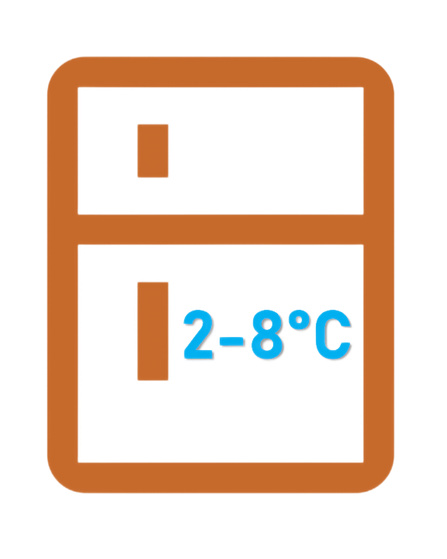
Sample Stability at Refrigeration: 1 week
Sample Stability at Frozen: 1 month
Medical History: Document sneezing, asthma, or itching. Include current medications or allergen exposure.
Consent: Written consent required, detailing the test's purpose, allergy risks (e.g., anaphylaxis), and sample collection risks.
Procedural Considerations: Uses immunoassay to measure IgE, requiring labs with analyzers. Results available in 2-3 days. Performed in labs with strict handling.
Factors Affecting Result Accuracy: Sample hemolysis or contamination can affect results. Medications may alter levels, requiring correlation.
Clinical Significance: Elevated IgE confirms allergy, guiding therapy. Early management might prevent asthma, while untreated cases lead to worsening. Normal levels may require other allergen tests.
Specialist Consultation: Consult an allergist for interpretation.
Additional Supporting Tests: Skin prick test, total IgE, or pulmonary function test to confirm diagnosis.
Test Limitations: Specific to D. pteronyssinus; correlation with symptoms needed. False positives possible with cross-reactivity.
References: AAAAI Guidelines, 2023; Journal of Allergy and Clinical Immunology, Ishizaka K, 2022.