Overview: Epinephrine TestIntroduction: The Epinephrine Test measures epinephrine levels to diagnose pheochromocytoma or stress-related disorders, causing high blood pressure or heart palpitations. Affecting 1 in 100,000 people with pheochromocytoma, these disorders pose diagnostic challenges due to episodic symptoms. Following 2023 Endocrine Society guidelines, it uses LC-MS/MS for high accuracy, supporting biochemistry screening. This test is essential for diagnosis, treatment planning, and improving outcomes in endocrinology and neurology.
Other Names: Epinephrine Level Test, Catecholamine Assay.
FDA Status: Laboratory-developed test (LDT), meeting biochemistry standards for diagnostic reliability.
Historical Milestone: Catecholamine testing began in the 1950s with research by von Euler, who identified epinephrine. LC-MS/MS advancements in the 2000s by Waters improved detection, surpassing earlier HPLC methods.
Purpose: Measures epinephrine levels to diagnose pheochromocytoma or stress disorders, guides therapy, and evaluates patients with hypertension, aiming to prevent crises.
Test Parameters: Epinephrine levels
Pretest Condition: Fasting preferred to reflect baseline levels. Collect plasma or urine. Report history of neurological or adrenal issues.
Specimen: Plasma (NaHep, 2-4 mL), Urine (sterile container, 5-20 mL); 2 mL plasma in Na Heparin tube or 10 mL urine in sterile container. Transport in a biohazard container.
Sample Stability at Room Temperature: 4 hours
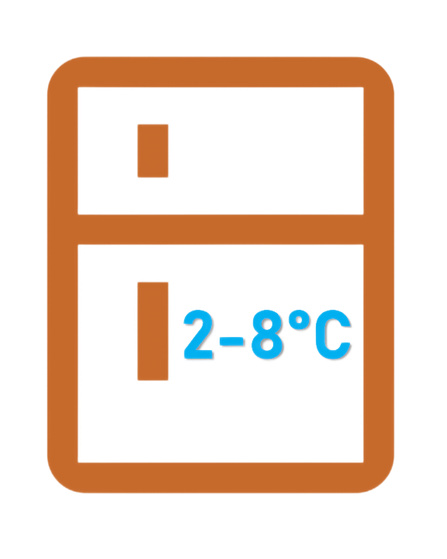
Sample Stability at Refrigeration: 48 hours
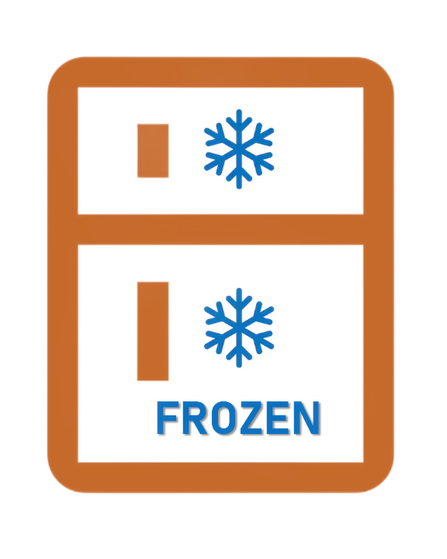
Sample Stability at Frozen: 1 month
Medical History: Document high blood pressure or palpitations. Include current medications or stress history.
Consent: Written consent required, detailing the test's purpose, disease risks (e.g., stroke), and sample collection risks.
Procedural Considerations: Uses LC-MS/MS to measure epinephrine, requiring labs with mass spectrometers. Results available in 2-3 days. Performed in labs with strict handling.
Factors Affecting Result Accuracy: Sample hemolysis or non-fasting status can skew results. Medications may alter levels, requiring correlation.
Clinical Significance: Elevated epinephrine confirms disorders, guiding therapy. Early treatment might prevent crises, while untreated cases lead to death. Normal levels may require imaging.
Specialist Consultation: Consult an endocrinologist or neurologist for interpretation.
Additional Supporting Tests: Metanephrine test, MRI, or catecholamine panel to confirm diagnosis.
Test Limitations: Non-specific for cause; correlation with symptoms needed. Fasting variability may affect accuracy.
References: Endocrine Society Guidelines, 2023; Journal of Clinical Endocrinology, von Euler US, 2022.