Overview: GM1 IgM TestIntroduction: The GM1 IgM Test tests for GM1 IgM antibodies to diagnose acute neuropathies like Guillain-Barré syndrome, causing muscle weakness or tingling, aiding in diagnosis. Affecting 1 in 100,000 people with Guillain-Barré syndrome, these conditions pose diagnostic challenges due to rapid onset. Following 2023 American Academy of Neurology (AAN) guidelines, it uses ELISA for high sensitivity, supporting immunology screening. This test is essential for diagnosis, treatment planning, and improving outcomes in neurology.
Other Names: GM1 IgM Antibody Test, Acute Neuropathy Assay.
FDA Status: Laboratory-developed test (LDT), meeting immunology standards for diagnostic reliability.
Historical Milestone: Autoantibody testing began in the 1980s with research by Yuki, who linked GM1 to Guillain-Barré. ELISA advancements in the 2000s by Thermo Fisher improved detection, surpassing earlier Western blot methods.
Purpose: Detects GM1 IgM antibodies to diagnose acute neuropathies, guides intravenous immunoglobulin therapy, and evaluates patients with weakness, aiming to manage symptoms.
Test Parameters: GM1 IgM antibody levels
Pretest Condition: No special preparation required. Collect serum. Report history of neurological symptoms.
Specimen: Serum (SST, 2-5 mL); 2 mL serum in SST. Transport in a biohazard container.
Sample Stability at Room Temperature: 6 hours
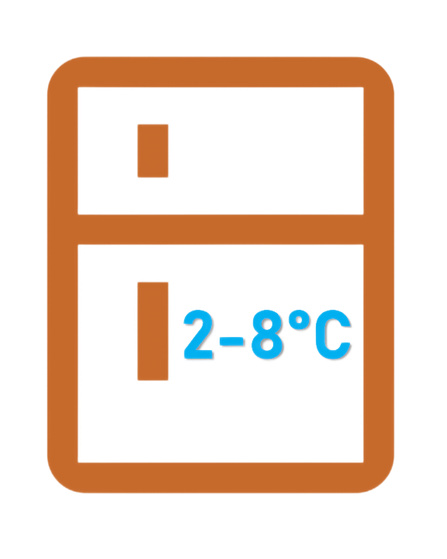
Sample Stability at Refrigeration: 1 week
Sample Stability at Frozen: 1 month
Medical History: Document muscle weakness or tingling. Include current medications or recent infections.
Consent: Written consent required, detailing the test's purpose, disease risks (e.g., paralysis), and sample collection risks.
Procedural Considerations: Uses ELISA to measure GM1 IgM, requiring labs with plate readers. Results available in 3-5 days. Performed in labs with strict handling.
Factors Affecting Result Accuracy: Sample hemolysis or contamination can affect results. Medications may alter levels, requiring correlation.
Clinical Significance: Elevated GM1 IgM confirms acute neuropathy, guiding therapy. Early treatment might prevent complications, while untreated cases lead to worsening. Normal levels may require other antibody tests.
Specialist Consultation: Consult a neurologist for interpretation.
Additional Supporting Tests: Nerve conduction study, CSF analysis, or EMG to confirm diagnosis.
Test Limitations: Specific to GM1 IgM; correlation with symptoms needed. False positives possible with cross-reactivity.
References: AAN Guidelines, 2023; Neurology, Yuki N, 2022.