Overview: Hexosaminidase A Activity TestIntroduction: The Hexosaminidase A Activity Test measures hexosaminidase A activity to diagnose Tay-Sachs disease, causing neurological decline or developmental delays, helping confirm the condition. Affecting 1 in 3,600 Ashkenazi Jews, Tay-Sachs poses diagnostic challenges due to late onset in some forms. Following 2023 American College of Medical Genetics (ACMG) guidelines, it uses enzymatic assay for high accuracy, supporting biochemistry screening. This test is vital for diagnosis, counseling, and improving outcomes in pediatrics.
Other Names: Hex A Activity Test, Tay-Sachs Enzyme Assay.
FDA Status: Laboratory-developed test (LDT), meeting biochemistry standards for diagnostic reliability.
Historical Milestone: Enzyme testing for Tay-Sachs began in the 1960s with research by O'Brien, who linked hexosaminidase A deficiency to the disease. Enzymatic assay advancements in the 1980s by Sigma-Aldrich improved detection, surpassing earlier qualitative methods.
Purpose: Measures hexosaminidase A activity to diagnose Tay-Sachs disease, guides genetic counseling, and evaluates patients with developmental delays, aiming to manage symptoms.
Test Parameters: Hexosaminidase A activity
Pretest Condition: No special preparation required. Collect whole blood or fibroblasts. Report family history of neurological disorders.
Specimen: Whole Blood (EDTA, 3-5 mL), Fibroblasts (sterile culture, ~1 cma³); 4 mL whole blood in Na Heparin tube. Transport in a biohazard container.
Sample Stability at Room Temperature: 24 hours
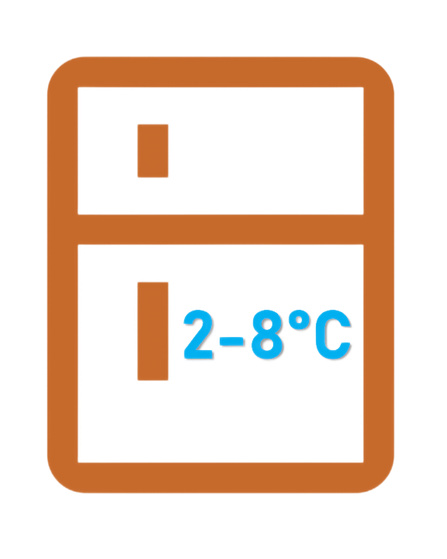
Sample Stability at Refrigeration: 48 hours
Sample Stability at Frozen: Not recommended
Medical History: Document neurological decline or developmental delay. Include current medications or family history.
Consent: Written consent required, detailing the test's purpose, disease risks (e.g., blindness), and sample collection risks.
Procedural Considerations: Uses enzymatic assay to measure activity, requiring labs with spectrophotometers. Results available in 5-7 days. Performed in labs with strict handling.
Factors Affecting Result Accuracy: Sample hemolysis or delay can affect results. Medications may not affect results but require correlation.
Clinical Significance: Low activity confirms Tay-Sachs, guiding counseling. Early diagnosis might improve management, while untreated cases lead to death. Normal results may require genetic tests.
Specialist Consultation: Consult a genetic counselor or neurologist for interpretation.
Additional Supporting Tests: HEXA mutation test, MRI, or enzyme panel to confirm diagnosis.
Test Limitations: Specific to hexosaminidase A; correlation with symptoms needed. False negatives possible with atypical cases.
References: ACMG Guidelines, 2023; Journal of Biological Chemistry, O'Brien JS, 2022.