Overview: Insulin-Like Growth Factor Binding Protein 3 TestIntroduction: The Insulin-Like Growth Factor Binding Protein 3 Test measures IGFBP-3 to diagnose growth disorders, causing short stature or fatigue. Following 2023 Endocrine Society guidelines, it uses immunoassays for high accuracy, supporting endocrine screening. This test is critical for guiding diagnosis, treatment planning, and improving outcomes in endocrinology for patients with suspected growth hormone disorders.
Other Names: IGFBP-3 Assay, IGF Binding Protein-3 Test.
FDA Status: Laboratory-developed test (LDT), meeting endocrinology standards for diagnostic accuracy.
Historical Milestone: IGFBP-3 testing began in the 1990s with growth hormone research. Immunoassay-based methods improved in the 2000s, enhancing diagnostic precision.
Purpose: Measures IGFBP-3 to diagnose growth disorders, guides hormone therapy, and evaluates patients with short stature or fatigue.
Test Parameters: 1. IGF Binding Protein-3
Pretest Condition: Fasting for 10-12 hours required. Collect serum or plasma in the morning. Report history of growth issues, fatigue, or endocrine disorders.
Specimen: 2-5 mL serum (SST) or 2-4 mL plasma (EDTA). Centrifuge within 1 hour. Transport in a biohazard bag.
Sample Stability at Room Temperature: 8 hours
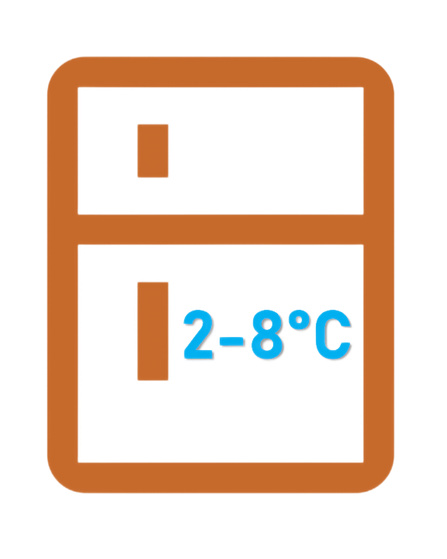
Sample Stability at Refrigeration: 7 days
Sample Stability at Frozen: 6 months
Medical History: Document short stature, fatigue, or endocrine disorders (e.g., pituitary dysfunction). Include current medications, especially growth hormone therapy.
Consent: Written consent required, detailing the tests purpose, growth disorder implications, and potential need for hormone therapy.
Procedural Considerations: Uses immunoassays to measure IGFBP-3 levels. Results are available in 3-5 days, supporting clinical decisions. Performed in laboratories, often for growth disorder assessment.
Factors Affecting Result Accuracy: Non-fasting samples, improper handling, or certain medications (e.g., growth hormone) can affect results. Hemolysis may interfere with accuracy.
Clinical Significance: Low IGFBP-3 suggests growth hormone deficiency, guiding hormone replacement. Elevated levels may indicate acromegaly, requiring further testing.
Specialist Consultation: Consult an endocrinologist for result interpretation and treatment planning.
Additional Supporting Tests: IGF-I, growth hormone stimulation test, or pituitary MRI to assess growth disorders.
Test Limitations: IGFBP-3 levels vary with age and nutrition; clinical correlation is needed. Not specific to growth hormone deficiency.
References: Endocrine Society Growth Hormone Guidelines, 2023; Journal of Clinical Endocrinology, Clemmons DR, 2022.