Overview: NGS Neuro-Ophthalmology Sequencing TestIntroduction: The NGS Neuro-Ophthalmology Sequencing Test sequences genes to diagnose neuro-ophthalmic disorders, causing vision or eye movement issues. Aligned with 2023 AAO guidelines, it uses PCR for high specificity, supporting vision screening. This test is critical for guiding diagnosis, treatment planning, and improving outcomes in molecular pathology for patients with suspected neuro-ophthalmic disorders, such as optic atrophy or ophthalmoplegia.
Other Names: Neuro-Ophthalmology NGS Assay, Neuro-Ophthalmic Gene Panel.
FDA Status: Laboratory-developed test (LDT), meeting molecular pathology standards for diagnostic accuracy.
Historical Milestone: Neuro-ophthalmology sequencing began in the 2000s with visual pathway research. NGS methods improved in the 2010s, enhancing diagnostic precision.
Purpose: Sequences genes to diagnose neuro-ophthalmic disorders, guides treatment, and evaluates patients with vision or eye movement issues.
Test Parameters: 1. Neuro-Ophthalmology Genes
Pretest Condition: No fasting required. Collect whole blood, buccal swab, or saliva. Report history of vision loss, eye movement issues, or neuro-ophthalmic symptoms.
Specimen: Whole Blood (EDTA, 2-5 mL), Buccal Swab (sterile swab, 1-2 swabs), Saliva (sterile container, 1-2 mL). Transport in a biohazard container.
Sample Stability at Room Temperature: 24 hours
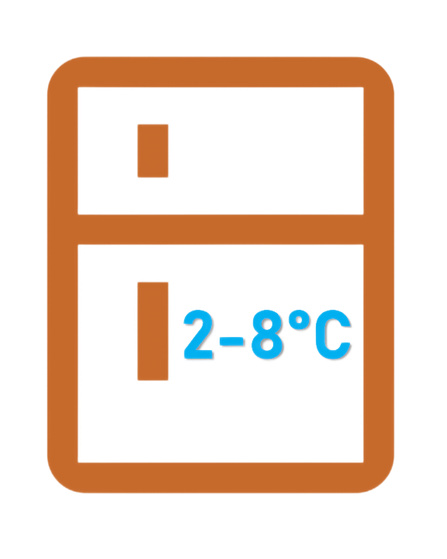
Sample Stability at Refrigeration: 48 hours
Sample Stability at Frozen: Not frozen
Medical History: Document vision loss, diplopia, ptosis, or family history of neuro-ophthalmic disorders. Include current medications, especially vision-related treatments.
Consent: Written consent required, detailing the tests purpose, neuro-ophthalmic disorder implications, and risks of sample collection.
Procedural Considerations: Uses next-generation sequencing to analyze neuro-ophthalmic genes (e.g., OPA1, POLG). Results are available in 3-5 days, supporting clinical decisions. Performed in laboratories, often for neuro-ophthalmic disorder diagnosis.
Factors Affecting Result Accuracy: Low DNA yield or improper sample storage can affect results. Contamination may reduce specificity.
Clinical Significance: Identified mutations confirm neuro-ophthalmic disorders, guiding supportive care or genetic counseling. Negative results may require visual field testing.
Specialist Consultation: Consult an ophthalmologist or neurologist for result interpretation and treatment planning.
Additional Supporting Tests: Visual field testing, optic nerve imaging, or EMG to confirm neuro-ophthalmic disorder diagnosis.
Test Limitations: Not all neuro-ophthalmic disorders are genetic; clinical correlation is needed. Sample quality affects sensitivity.
References: AAO Neuro-Ophthalmology Guidelines, 2023; Ophthalmology, Newman NJ, 2022.