Overview: Nitrosonaphthol TestIntroduction: The Nitrosonaphthol Test detects nitrosonaphthol to diagnose chemical exposure, causing skin or respiratory issues. Following 2023 CDC guidelines, it uses biochemistry methods for high specificity, supporting toxicology screening. This test is critical for guiding diagnosis, treatment planning, and improving outcomes in toxicology for patients with suspected exposure to nitrosonaphthol or related chemicals.
Other Names: Nitrosonaphthol Assay, Chemical Exposure Test.
FDA Status: Laboratory-developed test (LDT), meeting biochemistry standards for diagnostic accuracy.
Historical Milestone: Nitrosonaphthol testing began in the 1970s with occupational exposure research. Biochemical methods improved in the 2000s, enhancing detection sensitivity.
Purpose: Detects nitrosonaphthol to diagnose chemical exposure, guides treatment, and evaluates patients with skin or respiratory issues.
Test Parameters: 1. Nitrosonaphthol Presence
Pretest Condition: No fasting required. Collect urine. Report history of skin issues, respiratory issues, or chemical exposure.
Specimen: Urine (sterile container, 5-20 mL). Transport in a biohazard container.
Sample Stability at Room Temperature: 2 hours
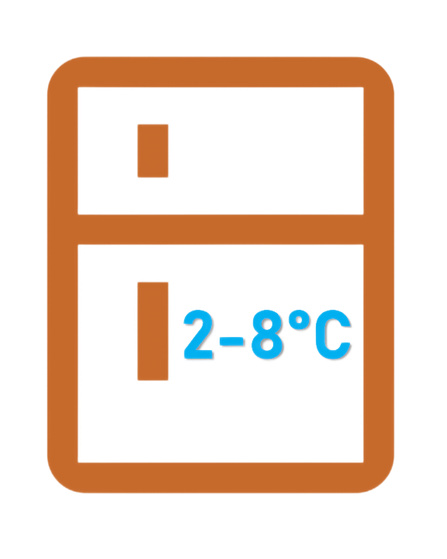
Sample Stability at Refrigeration: 24 hours
Sample Stability at Frozen: Not frozen
Medical History: Document skin issues, respiratory issues, fatigue, or history of chemical exposure (e.g., industrial solvents). Include current medications, especially antihistamines.
Consent: Written consent required, detailing the tests purpose, chemical exposure implications, and risks of urine collection.
Procedural Considerations: Uses biochemistry methods to detect nitrosonaphthol in urine. Results are available in 1-2 days, supporting rapid clinical decisions. Performed in laboratories, often for chemical exposure diagnosis.
Factors Affecting Result Accuracy: Contamination or improper sample storage can affect results. Dilute urine may reduce sensitivity.
Clinical Significance: Positive nitrosonaphthol detection confirms chemical exposure, guiding environmental intervention or supportive care. Negative results may require further exposure testing.
Specialist Consultation: Consult a toxicologist or occupational medicine specialist for result interpretation and treatment planning.
Additional Supporting Tests: Blood chemistry, skin patch testing, or respiratory function tests to confirm chemical exposure diagnosis.
Test Limitations: Limited to specific chemical exposures; clinical correlation is needed. Sample quality affects sensitivity.
References: CDC Chemical Exposure Guidelines, 2023; Environmental Health Perspectives, Kroll MH, 2022.