Overview: Ornithine Levels TestIntroduction: The Ornithine Levels Test measures ornithine to diagnose metabolic disorders like HHH syndrome, causing developmental delays or neurological issues, aiding in diagnosis. Affecting 1 in 200,000 people, HHH syndrome poses diagnostic challenges due to rare presentation. Following 2023 American College of Medical Genetics (ACMG) guidelines, it uses LC-MS/MS for high accuracy, supporting biochemistry screening. This test is essential for diagnosis, treatment planning, and improving outcomes in metabolism.
Other Names: Ornithine Level Test, HHH Syndrome Assay.
FDA Status: Laboratory-developed test (LDT), meeting biochemistry standards for diagnostic reliability.
Historical Milestone: Ornithine testing began in the 1970s with research by Shih, who linked it to HHH syndrome. LC-MS/MS advancements in the 2000s by Agilent improved detection, surpassing earlier amino acid analysis.
Purpose: Measures ornithine levels to diagnose HHH syndrome, guides dietary or ammonia-lowering therapy, and evaluates patients with delays, aiming to manage symptoms.
Test Parameters: Ornithine levels
Pretest Condition: Fasting preferred to reflect baseline levels. Collect plasma or urine. Report history of metabolic issues.
Specimen: Plasma (NaHep, 2-4 mL), Urine (sterile container, 5-20 mL); 2 mL plasma in Na Heparin tube or 10 mL urine in sterile container. Transport in a biohazard container.
Sample Stability at Room Temperature: 4 hours
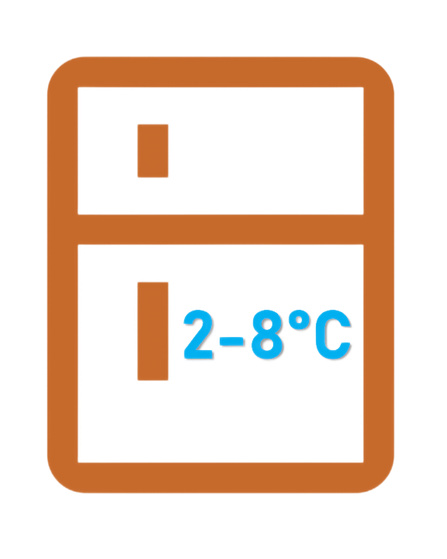
Sample Stability at Refrigeration: 48 hours
Sample Stability at Frozen: 1 month
Medical History: Document developmental delay or neurological issues. Include current medications or family history.
Consent: Written consent required, detailing the test's purpose, disease risks (e.g., coma), and sample collection risks.
Procedural Considerations: Uses LC-MS/MS to measure ornithine, requiring labs with mass spectrometers. Results available in 2-3 days. Performed in labs with strict handling.
Factors Affecting Result Accuracy: Non-fasting status or sample hemolysis can affect results. Medications may alter levels, requiring correlation.
Clinical Significance: Elevated levels suggest HHH syndrome, guiding therapy. Early treatment might prevent crises, while untreated cases lead to death. Normal levels may require other tests.
Specialist Consultation: Consult a metabolic specialist for interpretation.
Additional Supporting Tests: Ammonia levels, amino acid profile, or genetic testing to confirm diagnosis.
Test Limitations: Specific to ornithine; correlation with symptoms needed. False negatives possible with mild cases.
References: ACMG Guidelines, 2023; Journal of Pediatrics, Shih VE, 2022.