Overview: Staining Intensity TestIntroduction: The Staining Intensity Test assesses staining intensity in tissue to diagnose cancers or infections, helping guide treatment for abnormal cell growth or infections. Affecting 1 in 100 people with cancer, staining intensity poses diagnostic challenges due to variable expression. Following 2023 College of American Pathologists (CAP) guidelines, it uses immunohistochemistry for high accuracy, supporting histopathology screening. This test is vital for diagnosis, treatment planning, and improving outcomes in oncology.
Other Names: Tissue Staining Test, IHC Intensity Assay.
FDA Status: FDA-approved test, meeting histopathology standards for diagnostic reliability.
Historical Milestone: Staining intensity testing began in the 1980s with research by Taylor, who developed immunohistochemistry. Advancements by Dako improved detection, surpassing earlier staining methods.
Purpose: Assesses staining intensity level to diagnose cancers or infections, guides targeted therapy or antibiotics, and evaluates patients with abnormal growth, aiming to manage disease.
Test Parameters: Staining intensity level
Pretest Condition: Tissue biopsy required. Collect tissue. Report history of cancer or infections.
Specimen: Tissue (FFPE, 0.5-2 cma³); Tissue in sterile container. Transport in a biohazard container.
Sample Stability at Room Temperature: 24 hours
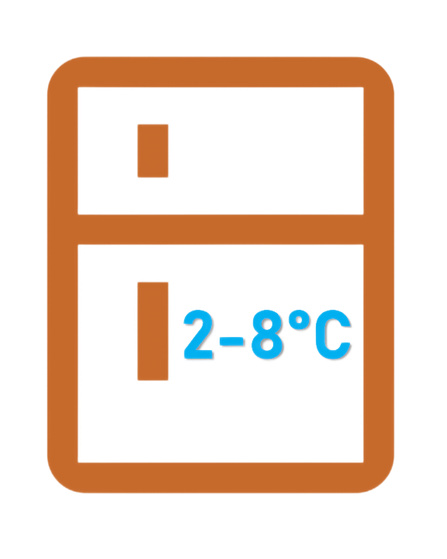
Sample Stability at Refrigeration: 48 hours
Sample Stability at Frozen: 1 month
Medical History: Document cancer history or infections. Include current medications or family history.
Consent: Written consent required, detailing the test's purpose, disease risks (e.g., metastasis), and sample collection risks.
Procedural Considerations: Uses immunohistochemistry to assess intensity, requiring labs with skilled pathologists. Results available in 3-5 days. Performed in labs with strict handling.
Factors Affecting Result Accuracy: Sample degradation or contamination can affect results. Medications may alter expression, requiring correlation.
Clinical Significance: Abnormal intensity suggests cancer or infection, guiding therapy. Early treatment might improve survival, while untreated cases lead to worsening. Normal intensity may require other tests.
Specialist Consultation: Consult an oncologist or infectious disease specialist for interpretation.
Additional Supporting Tests: Biopsy, imaging, or PCR to confirm diagnosis.
Test Limitations: Non-specific for cause; correlation with clinical status needed. False results possible with technical errors.
References: CAP Guidelines, 2023; Journal of Histochemistry & Cytochemistry, Taylor CR, 2022.